How Long Does It Take to Become an Air Traffic Controller?
Count two stretches. One is selection and a place on a course. The other is the training itself, and it ends when a licence lets you work a position at a unit. Employers publish the second stretch. The figures below are from their own pages in 2025 and 2026.
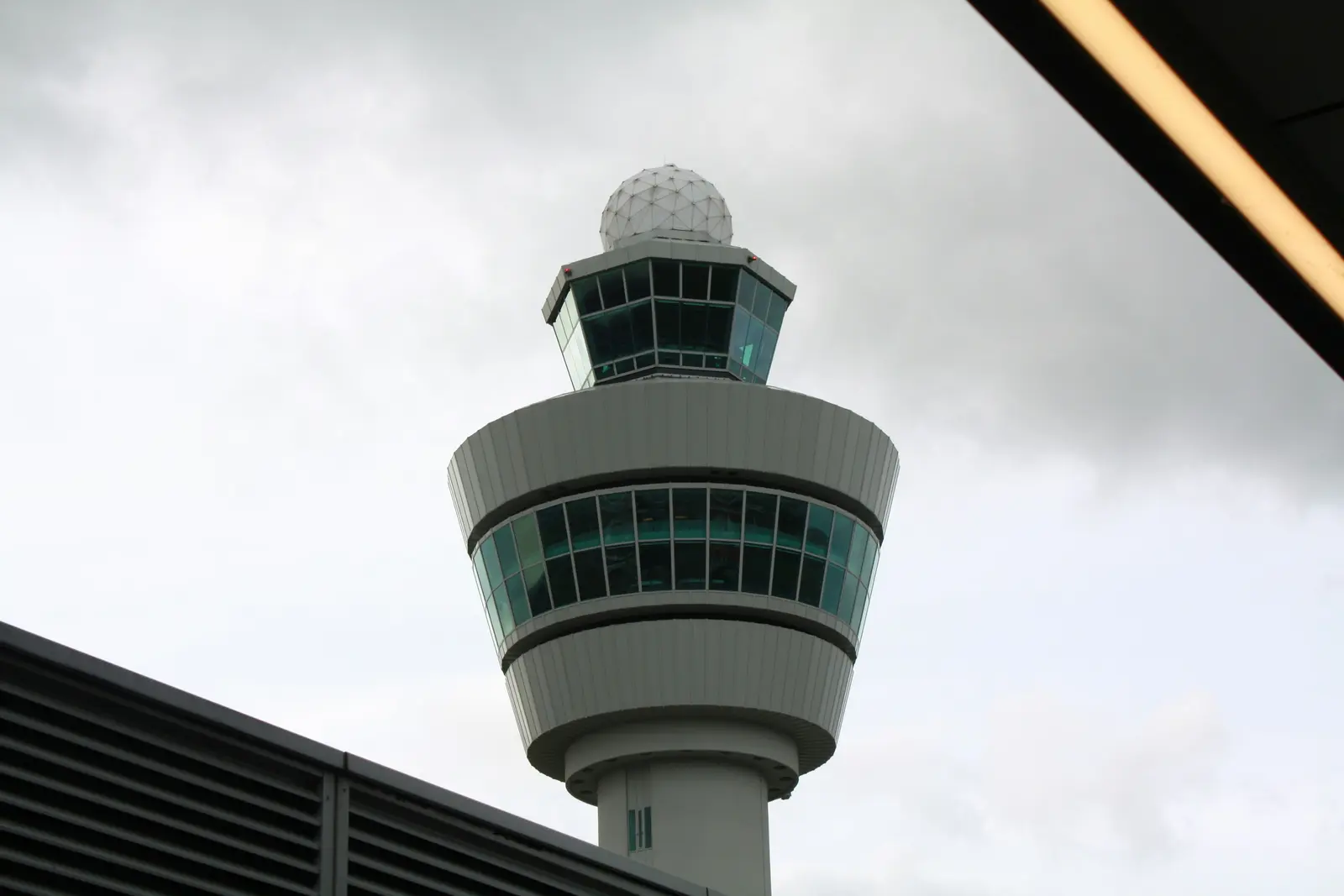
The course ends at a unit
Civilian training usually has two parts. The first is rating training, in a classroom and on a simulator. The second is training at the unit where the controller will work, on that unit's airspace and traffic. The endorsement for the unit comes at the end of the second part.
A person still in the college, or still under instruction on live traffic, is still in training. The published length of a course is the plan for someone who passes each phase and continues. How the stages fit together is covered in How to Become an Air Traffic Controller. The licence itself is covered under Licensing.
United States
The FAA qualifications page, updated on 27 February 2025, says entry-level applicants spend several months at the FAA Academy in Oklahoma City. After the Academy they are placed at a facility and need a further 2 to 3 years of classroom and on-the-job training before they become a certified professional controller. The page is Air Traffic Controller Qualifications.
On 15 May 2026 the FAA said it can take more than two years to fully certify a new-hire controller, and that the time depends on the complexity level assigned to the facility. That line is in its workforce plan announcement.
A December 2025 report from the U.S. Government Accountability Office, GAO-26-107320, says FAA officials told its auditors that applicants with limited or no prior controller experience can take 2 to 6 years to go from applying to being fully certified. The report describes the Academy course for those applicants as 4 to 6 months. It also says the medical clearance can take some applicants 2 years.
The Academy figure covers the school in Oklahoma City. The further 2 to 3 years covers training at the facility after that. The 2 to 6 years starts at the application.
United Kingdom
NATS, on its trainee controller page with pay figures marked as 2026 rates, gives college training toward a student air traffic controller licence as 1 to 2 years at an initial training organisation. The same page says most of that college training is finished within a year to 18 months, and that basic training is about 12 to 15 months. The length depends on the specialism and on how quickly a trainee completes the phases.
After the student licence, NATS posts the trainee to a unit. Hands-on training there continues until the controller validates and is issued a full air traffic controller licence.
The same page sets the calendar before college. In 2026 it said the later assessment stages run from September 2026 and from December 2026, and that a candidate who passes is assigned a start date from late 2027. Security clearance begins about nine months before that start.
Canada
NAV CANADA says the length of training varies by role, and that air traffic controllers typically need one to two years. That sentence is on its careers page for applicants, which also gives pay ranges under the 2025 collective agreement.
The same page says the application and assessment process can move quickly or leave a candidate waiting, and that an application stays active for 36 months. Applicants have to be available to start full-time training within 18 months of applying.
Germany
DFS states that its controller training lasts 2.5 to 3.5 years, on its page about becoming a controller. Its page on the sequence of that training splits the course into three parts. The first two are at the DFS campus in Langen. The third is at a control centre or a tower in Germany.
- Basic training: 5 months.
- Simulator training: 8 to 12 months.
- On-the-job training: 12 to 24 months.
DFS says the training ends once those licences have been issued, and it then employs the person as a controller. It also says it is best to apply about a year before the intended start. In October 2026 the sequence page referred to a course starting in summer 2027.
Australia
Airservices Australia's page for trainee controllers says the training programme varies and is approximately 12 months, at its facilities in Melbourne, and that on-the-job training times also vary. Its careers FAQ, answering how long the training takes, says the programme may take up to 18 months, in Melbourne or in Christchurch, and that field training after the diploma is about three to six months. After that field training, a person may be eligible for an air traffic control licence. The trainee recruitment process, on the careers page, is described as taking some months.
Someone who has already worked as a controller is on a shorter course at Airservices: about six to 12 weeks in Melbourne, then field training until a rating. Airservices says that recruitment can take some months, and that a start date can fall a further three to 12 months after selection.
A later rating is another course
The figures above are for a first qualification with that employer. Moving to another unit, or from tower work to approach or area, usually means more training and a new endorsement. That later step is covered under Career progression.
A military course follows the timetable published by that armed service.
Use the page, and its date
These lengths are the ones those organisations published for their own training. Another employer, or a later campaign from the same employer, can set a different course. When a page gives a pay year, a start month, or a last-updated line, that is the vintage of the figure.