Surveillance and Procedural Control
Approach and area control can be provided in two ways. Surveillance control uses a picture of where the aircraft are. Procedural control uses the pilots' reports of where they are. In many states those are different ratings, and a course for one does not qualify you for the other.
· by Michal Zembol
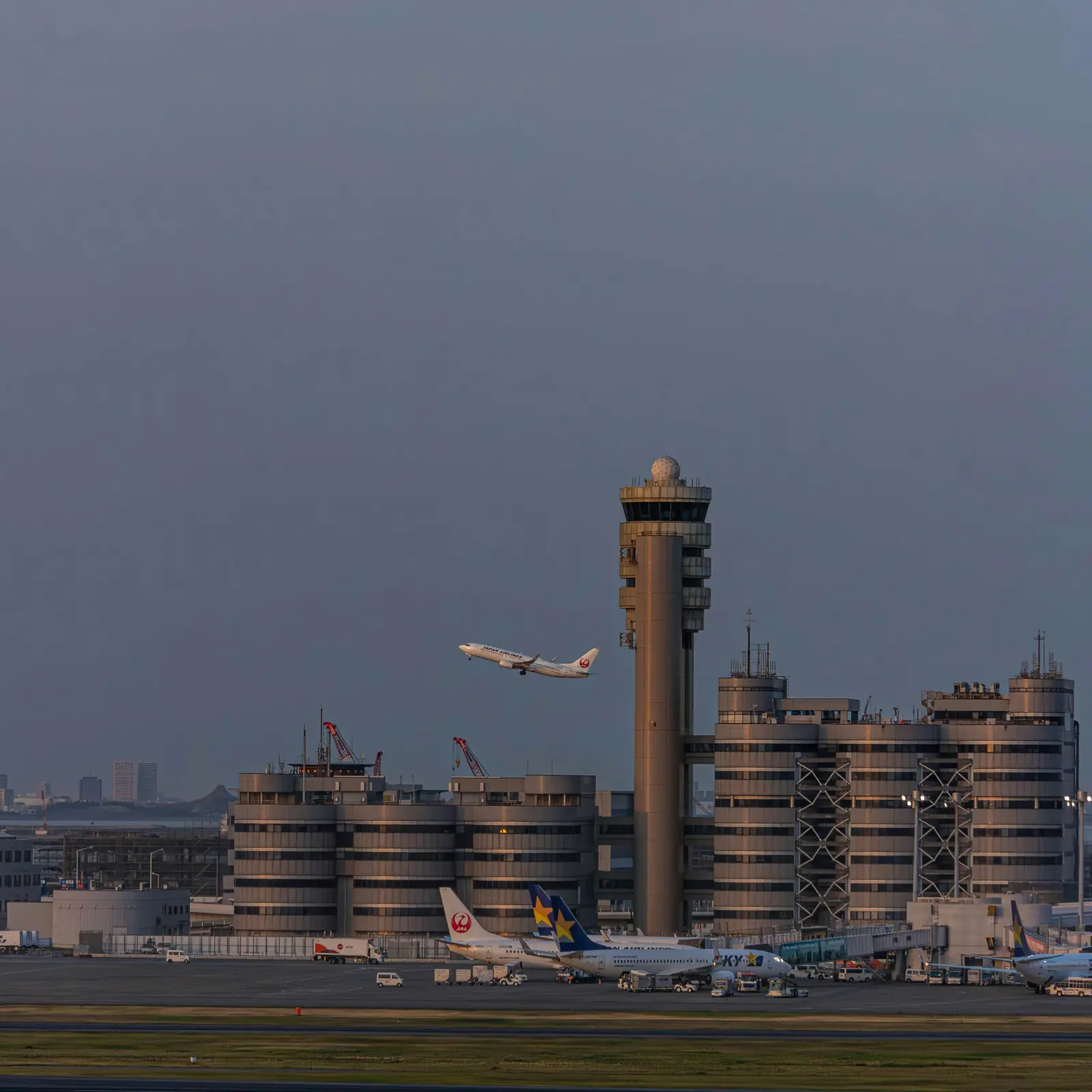
Two ways of keeping the picture
A controller separates the flights they are responsible for. To do that they need to know where each one is, and where it will be if nothing changes. Surveillance and procedural control are two ways of knowing that.
With surveillance, a display shows the aircraft. Radar is the familiar source. Other systems, such as multilateration and automatic dependent surveillance, can feed the same kind of picture. The controller sees the position update, and the separation is built on that picture.
Without that picture, position comes from the pilot. The aircraft reports where it is, or the time it passed a point, and the controller calculates where it should be next. The record is estimates and reports, not a trail on a screen. Separation uses level, route, and time, and the minima are the ones published for that airspace. They are larger than surveillance minima, because the position is not being seen continuously.
The ratings follow the method
Under the United Kingdom's controller licensing rules, approach and area each have a procedural rating and a surveillance rating. Approach Control Procedural is the service without surveillance equipment. Approach Control Surveillance is the service with it. Area control is split the same way. The abbreviations, and the rest of that list, are in Licence, Rating and Unit Endorsement.
That split is the UK regulation's, and the European list it was taken from. Another state can use different names. The practical point travels: a qualification to work with a surveillance display is not, by itself, a qualification to separate aircraft from reports and estimates.
Where each one is used
Most busy terminal airspace and most continental en-route sectors are worked with surveillance. The picture is there, and the rating matches it. Procedural control remains the method where surveillance does not cover the airspace, or where the service is provided without using it.
Oceanic airspace is the clearest case. Radar does not cover the ocean, and the procedural area rating is the one that can carry an oceanic endorsement under the UK rules. A surveillance rating from an inland centre does not authorise that oceanic sector. The three services this sits inside, tower, approach, and area, are in Tower, Approach and Area Control.
Aerodrome control is a different split
The tower is not divided into procedural and surveillance in that list. Aerodrome ratings distinguish a visual aerodrome from an aerodrome with instrument procedures. Radar can still be used in the tower, as an aid, under an endorsement on the aerodrome rating. That endorsement is not an approach surveillance rating, and it does not move the holder into the approach unit.
Training follows the rating
A rating course teaches one type of service. Where the state separates procedural and surveillance, they are different courses, with different simulators and a different assessment. Passing the surveillance course does not complete the procedural one. The shape of that training is in How Air Traffic Controller Training Works.
The unit endorsement is still required after either course. A surveillance rating is permission to train, and then to work, in that method. It is not permission to work every surveillance unit.